
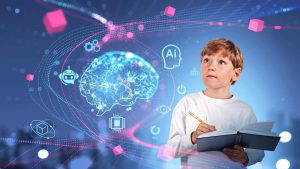
AI in schools brings great opportunities, but also ethical questions. Introducing digital tools is not enough: a conscious reflection on how to use them respectfully for both students and teachers is needed.
Opportunities
- Inclusion: AI can support students with special educational needs.
- Accessibility: automatic translations, simplified reading, and text-to-speech.
- Efficiency: reduction of administrative and bureaucratic workloads for teachers.
Risks
- Privacy and data: many platforms collect sensitive information.
- Bias: AI models reflect biases present in the training data.
- Dependence: the risk of reducing students' critical thinking.
A responsible approach
To use AI in schools, clear rules and strong values are needed:
- Transparency in the use of tools.
- Data protection and compliance with European regulations (GDPR).
- Teaching students to interact with AI critically.
Ethics is not an obstacle, but the necessary condition for a healthy and inclusive use of AI in education.
